Why Your Circuit Breaker Keeps Tripping?
Is your circuit breaker constantly tripping? Discover the most common causes and when a professional electrician should inspect your electrical system.
Nelson Ramos
3/16/20262 min read
Why Your Circuit Breaker Keeps Tripping (And When to Call an Electrician)
If your circuit breaker keeps tripping, it’s usually a sign that your electrical system is trying to protect your home from a dangerous condition. While resetting a breaker might seem like a simple fix, frequent tripping often indicates an underlying electrical issue that should not be ignored.
Understanding why breakers trip can help homeowners prevent electrical hazards and know when it’s time to call a licensed electrician.
What Does a Circuit Breaker Do?
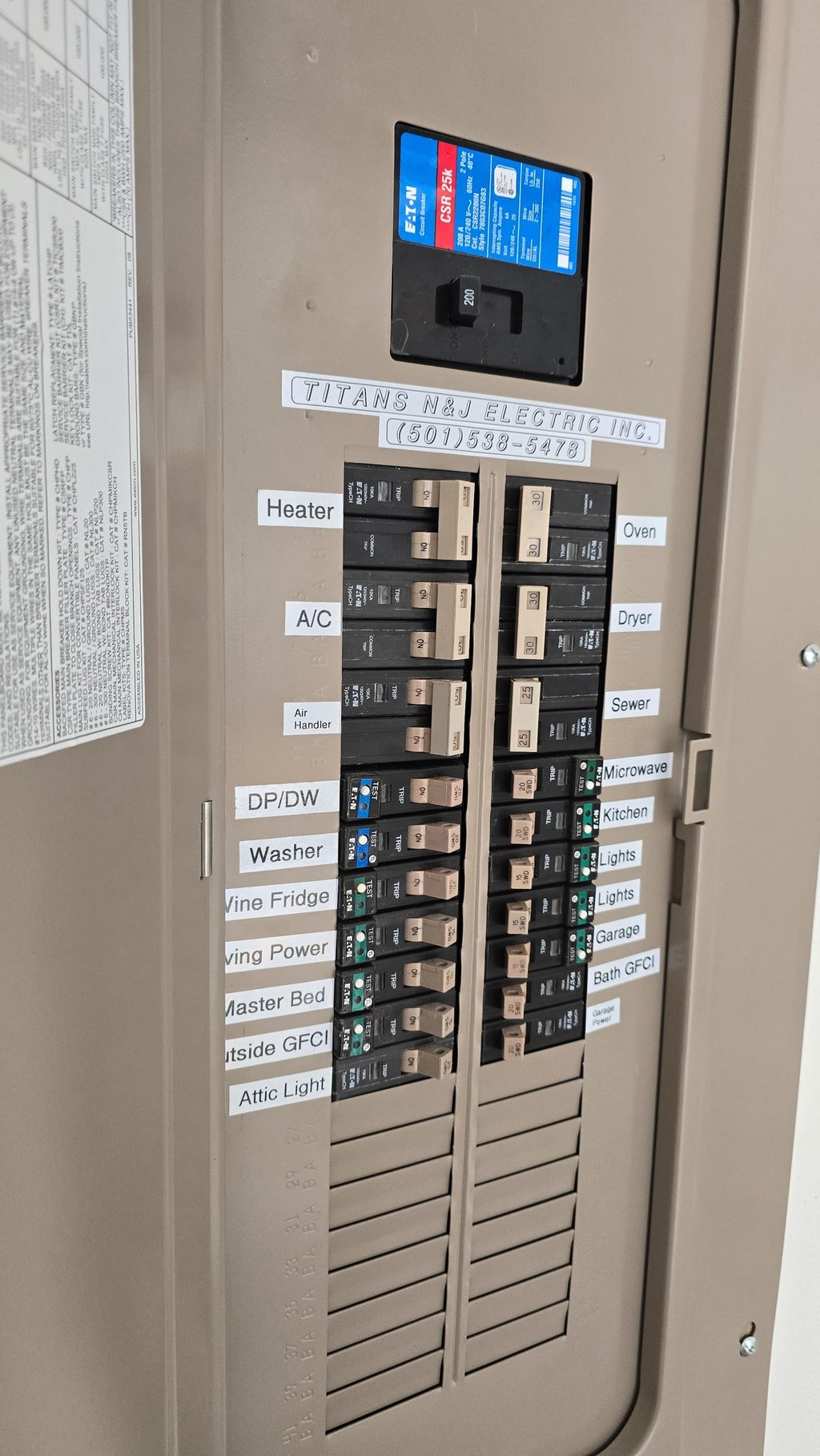
Your circuit breaker panel is designed to protect your home’s wiring from overheating. When a circuit draws more electricity than it is designed to handle, the breaker automatically shuts off the power to prevent damage or fire.
Modern breaker panels replace the old fuse systems and provide a safer way to manage your home’s electrical load.
Common Reasons a Breaker Keeps Tripping
1. Overloaded Circuit
One of the most common causes of a tripping breaker is an overloaded circuit. This happens when too many appliances are running on the same circuit at the same time.
For example, running a microwave, coffee maker, and toaster on the same kitchen circuit can easily exceed the circuit’s capacity.
Signs of an overloaded circuit include:
Breaker trips when multiple appliances run
Lights dim when appliances start
The breaker resets and works again temporarily
2. Short Circuit
A short circuit occurs when a hot wire touches a neutral wire. This creates a sudden surge of electrical current that immediately trips the breaker.
Short circuits are more serious and can cause overheating or even electrical fires if not repaired properly.
3. Ground Fault
A ground fault happens when electricity escapes its intended path and travels to the ground. This can occur when wiring insulation is damaged or when appliances malfunction.
Ground faults are especially dangerous in areas with water such as bathrooms, kitchens, garages, and outdoor outlets.
That’s why modern homes use GFCI outlets in these locations to prevent electrical shock.
4. Faulty Appliances
Sometimes the issue isn’t the wiring but the appliance itself. A damaged appliance motor or internal wiring can cause repeated breaker trips.
If a breaker trips every time a specific appliance is used, it’s a good idea to unplug it and have it inspected.
5. Aging Electrical Panels
Older electrical panels were not designed to handle the power demands of modern homes. With today’s appliances, EV chargers, and larger HVAC systems, many homes require upgraded panels.
If your breakers trip frequently or your panel is more than 25–30 years old, it may be time for an electrical panel upgrade.
When to Call a Licensed Electrician
While resetting a breaker once in a while is normal, repeated tripping should always be inspected by a professional.
You should contact a licensed electrician if:
The breaker trips immediately after resetting
You smell burning near the panel
Lights flicker or dim frequently
Multiple breakers trip regularly
Your electrical panel feels warm to the touch
Ignoring these warning signs can lead to damaged wiring or electrical fires.
Protecting Your Home’s Electrical System
Regular electrical inspections can help identify potential problems before they become expensive repairs. A professional electrician can evaluate your electrical panel, circuits, and wiring to ensure everything is operating safely.
Upgrading outdated panels, balancing electrical loads, and installing modern safety devices can significantly improve your home's electrical safety.
Need Electrical Help in Hot Springs?
If your breaker keeps tripping or you suspect an electrical issue in your home, it’s best to have it inspected by a professional electrician.
A qualified electrician can quickly diagnose the problem, ensure your electrical system meets current safety standards, and recommend the right solution for your home.